
About Current Clinical Studio
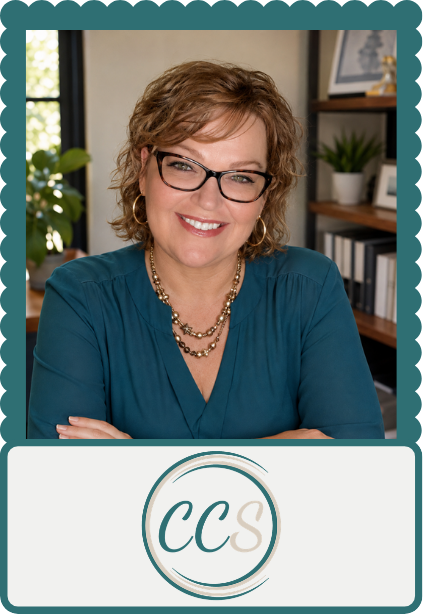
Tracie Smith, LCSW-S
Licensed Clinical Social Worker
Council-Approved Clinical Supervisor
Most of my clients are in midlife or beyond. They come in grieving, caring for a parent or a partner, adjusting to retirement or a diagnosis, or trying to make sense of a family relationship that stopped making sense on its own.
Most people prepare carefully for living. Many, eventually, prepare for dying. Far fewer are prepared for everything that can happen in between — and most don't find out what those years ask of them until they're already living it.
Aging, on its own, isn't what brings people here. These years can hold real freedom, perspective, confidence, and joy. What brings people here is what can happen along the way — changes and losses that arrive earlier, harder, or in a different order than expected. And when they do, what they stir up is too often explained away. Anxiety gets chalked up to age. Depression gets written off as understandable. Neither should be.
How I got here
My path into this work began more than two decades ago, somewhat unexpectedly, investigating the treatment of vulnerable adults in nursing facilities. I had planned to work with children and adolescents. Instead, that first position introduced me to older adults, their families, caregiving, and the complicated systems that surround aging. I saw the needs of this population as vast and complex, and I enjoyed the work — so I built the rest of my career around it.
Since then, I've worked across both direct clinical care and the larger systems that shape it. Alongside my clinical work, I've worked in state and federal government, in auditing and compliance, and on the policy and coverage side of healthcare. I spent ten years with the VA, in acute care and across long-term care.
That combination has given me a broad understanding of aging — not only as a personal experience, but as something that reaches into relationships, families, healthcare decisions, independence, identity, and the future a person had imagined for themselves.
How I work
You decide what we work on. I'll tell you what I see and I'll be direct about it, but the goals are yours and so is the pace. If there's something you don't want to work on, we don't work on it. If you decide you've done what you came to do, we can end there — or change direction and take on something else.
This work asks something of you, too — not answers, not a plan, just a willingness to look honestly at what's in front of you and stay in the conversation, even when it's uncomfortable. You don't have to arrive ready for all of it. Willingness is enough.
The work is grounded in what's actually happening, not in what should have happened. Your values, your culture, and the way you do things are the starting point. I don't make your plans or decisions. I bring the clinical process. You bring the expertise on your own life.
I draw from multiple therapeutic approaches based on your needs and goals — cognitive behavioral therapy, acceptance and commitment therapy, interpersonal psychotherapy, solution-focused therapy, rational emotive behavior therapy, psychodynamic and narrative therapy, reminiscence therapy, and structured life review. These approaches can help us look at current concerns, recurring patterns, relationships, past experiences, practical decisions, personal meaning, grief and loss, and the ways your life has changed over time. When grief is part of it, the work is grief-informed.
This practice does not provide emergency or crisis services.
If you are in crisis, please call or text 988 (Suicide & Crisis Lifeline) or call 911.